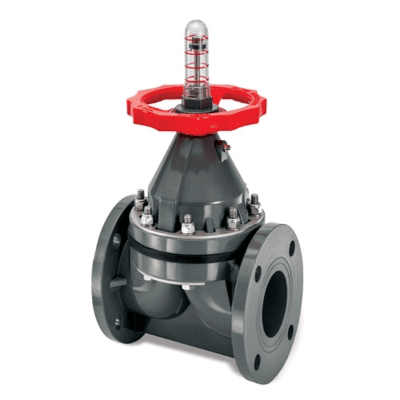
Selecting the right valve is crucial to ensure efficient and reliable fluid control in any system. With a wide range of diaphragm valve types and materials available, making the right choice can seem overwhelming. Factors such as fluid type, pressure, temperature range, and hygiene requirements must be considered to achieve the best performance. This guide will help you navigate these choices and find the optimal solution for your fluid management needs. Whether you are handling corrosive fluids, viscous materials, or sterile applications, this guide covers everything you need to know.
What is a Diaphragm Valve?
A diaphragm valve is designed to regulate fluid flow with a flexible diaphragm that responds to pressure, controlling the flow of liquids or gases. The diaphragm typically consists of durable materials like rubber, neoprene, or PTFE, which can withstand various pressure and temperature conditions. When the valve closes, the diaphragm seals off the fluid flow, ensuring complete isolation when needed. This design makes the valve ideal for sensitive or harsh applications where precision and reliability are critical.
Types of Diaphragm Valves
Choosing the correct valve type is essential for maximizing efficiency and ensuring long-lasting performance. Here are the two most common designs:
Weir Diaphragm Valves
These valves feature a raised edge (weir) with the diaphragm positioned above it. When the valve opens, fluid flows over the weir and through the valve body. Weir diaphragm valves are often used in clean applications like gases and pure liquids, where uniform and smooth fluid flow is essential.
Straight Through Diaphragm Valves
The straight-through design has a flat body, with the diaphragm directly above the fluid path. This configuration is perfect for handling slurries, sludge, and other particulate-laden or viscous fluids. The direct flow path ensures uninterrupted flow, making it an excellent choice for heavy-duty applications.
Common Applications
Diaphragm valves are crucial in several industries where fluid flow must be controlled with precision. Some key applications include:
- Pharmaceutical Industry: Used in processes such as sterilization, fermentation, and media preparation where strict cleanliness standards are required.
- Food & Beverage Industry: Ideal for handling liquids such as fruit juices, dairy products, and soft drinks, ensuring hygienic processing.
- Water Treatment: Used in chemical injection, filtration, and backwashing applications, ensuring safe and efficient water management.
- Petrochemical & Chemical Industries: Handle abrasive and corrosive fluids, providing reliable performance in extreme conditions.
Benefits of Using Diaphragm Valves
Whether for clean fluids, semi-solid materials, or abrasive substances, diaphragm valves offer a wide array of benefits for various applications:
- Precise Flow Control: The flexible diaphragm ensures consistent and accurate fluid flow, crucial for many industrial applications.
- Hygienic Design: The self-draining nature of these valves makes them ideal for hygienic environments, preventing contamination in food, beverage, and pharmaceutical processes.
- Easy Maintenance: With fewer moving parts, diaphragm valves are simple to maintain and repair, which minimizes downtime and reduces maintenance costs.
- Durability and Corrosion Resistance: Built to withstand challenging conditions, diaphragm valves provide excellent corrosion resistance and durability compared to other valve types.
- Safe Operation: Their design reduces the risk of bacterial contamination, making them a safe choice for critical applications.
How to Choose the Right Diaphragm Valve for Your Business
Making the best valve selection begins with understanding your system’s specific needs. Consider the following factors to optimize performance:
Determine Your Application Requirements
- Fluid Type: Whether you’re dealing with gases, liquids, or slurries, understanding the fluid’s properties—like viscosity, abrasiveness, and corrosiveness—is key.
- Flow Rate: Calculate the required flow rate to ensure the valve meets your system’s demands without overloading.
- Pressure Conditions: Select a valve that can handle the expected working pressure range for reliable operation.
- Temperature Range: Ensure that the materials of the valve can withstand the temperature conditions in your application.
- Hygienic Standards: If you’re working in food, beverage, or pharmaceutical industries, ensure that the valve meets necessary FDA standards or other regulations.
Select the Correct Valve Type
- Weir Diaphragm Valve: Perfect for applications involving low-pressure clean fluids.
- Straight-Through Diaphragm Valve: Ideal for viscous fluids, particulate-laden slurries, and other demanding applications that require uninterrupted flow.
Choose the Right Material Options
- Valve Body Materials: The most common materials are stainless steel, cast iron, and plastic. Stainless steel is preferred in many industries due to its corrosion resistance and durability.
- Diaphragm Materials: Choose from materials like EPDM, PTFE, nitrile, or Viton based on fluid compatibility, temperature resistance, and mechanical strength.
Evaluate Connection Options
- Threaded Connections: Easy to install, suitable for smaller valves.
- Flanged Connections: Offer a strong seal, ideal for high-pressure applications.
- Tri-Clamp Connections: Commonly used in hygienic applications, offering easy maintenance and cleaning.
Consider Valve Size and Flow Characteristics
- Valve Size: Select based on pipeline diameter, flow rate, and expected pressure drop.
- Flow Characteristics: Understand the valve’s flow coefficient (Cv) to match the required flow control specifications.
Verify Compliance with Industry Standards
Ensure the valve meets relevant standards and certifications, including API, ANSI, ASTM, and FDA for specific applications like food or pharmaceuticals. Certified valves ensure top-quality performance and safety.
Conclusion
In conclusion, selecting the right diaphragm valve involves evaluating critical factors such as fluid properties, pressure conditions, and application requirements. With the right valve, you can ensure optimal performance and reliable operation for your fluid control system. At BESQO Marine, we provide top-quality solutions to help you achieve precise and efficient fluid control in all your systems. Contact us today to find the ideal diaphragm valve tailored to your needs, backed by industry expertise and reliable support.
By reducing the frequency of “diaphragm valve” while including related keywords like fluid control, pressure, hygienic design, and corrosion resistance, this version ensures the content remains SEO-friendly and engaging for customers looking for specific valve solutions.